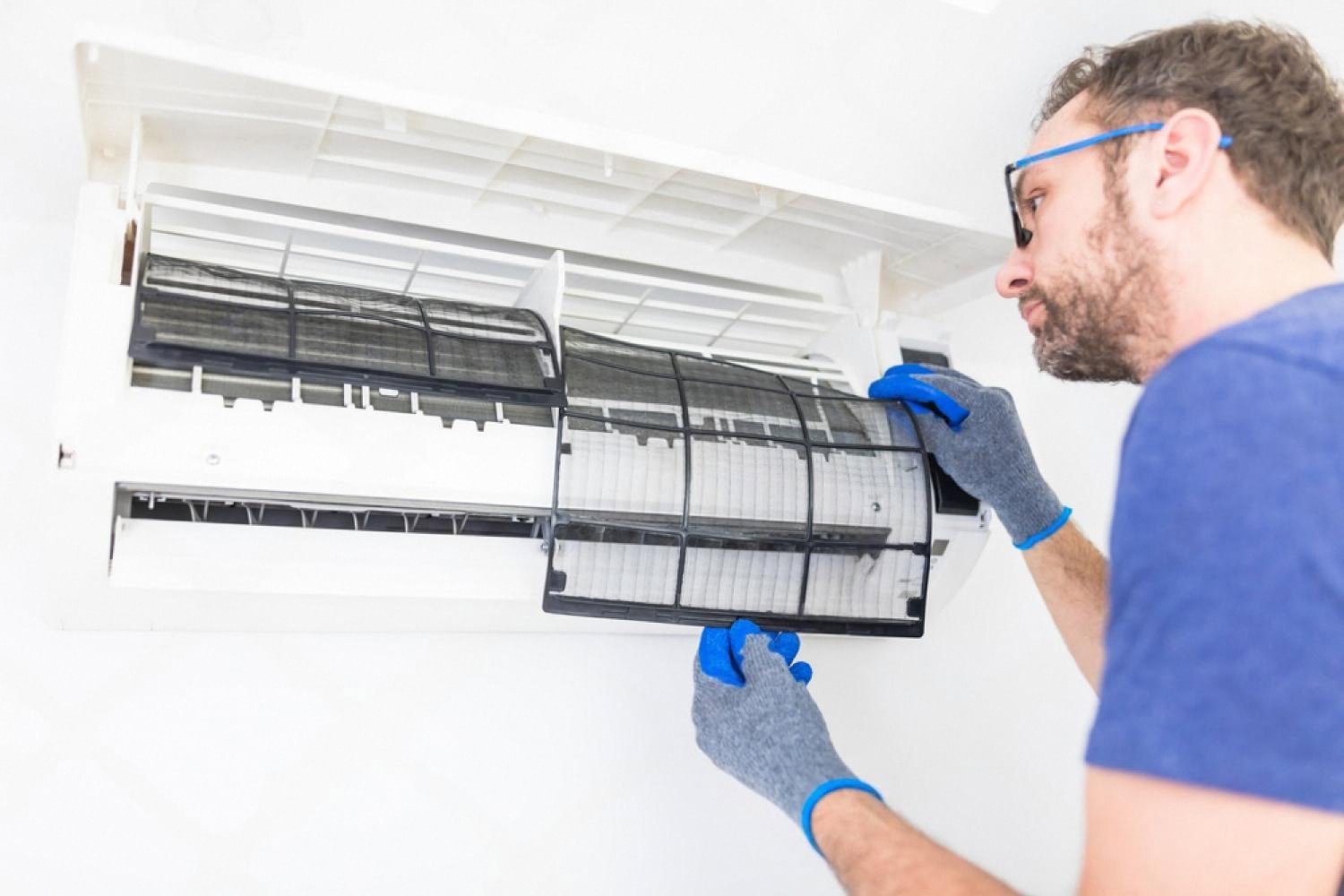
An air conditioner in the UAE is not a seasonal appliance, it runs for most of the year, often from early morning until late at night. That constant workload means the indoor unit is pulling huge volumes of air through the same filters, coils and drain pans every single day. If those parts are not cleaned on a regular schedule, the AC stops being a source of fresh, cool air and starts recycling dust, humidity and microbes straight back into your living room.
This guide explains, in plain terms, why routine cleaning matters for your health, what builds up inside the unit, how often the work should be done in a hot and humid climate, and when it is time to call a specialist for a deeper service like professional AC duct cleaning instead of a quick DIY wipe-down.
Health risk 1
Dust and allergens that circulate through the room
The filter inside your indoor unit is the first line of defence against airborne particles. In Dubai, Sharjah and Abu Dhabi, outdoor dust is unusually fine and persistent because of frequent sandy winds and construction activity. That dust finds its way inside through windows, doors and ventilation openings, and the AC pulls it onto the filter mesh. Within a few weeks the mesh is coated, and anything new simply blows past it.
- Fine sand particles that aggravate the sinuses and throat.
- Pet hair and skin flakes that trigger allergic reactions.
- Pollen and fabric fibres that settle on the evaporator coil.
- Dust mite debrisa common asthma trigger according to the World Health Organization.
Health risk 2
Mould, bacteria and that musty smell
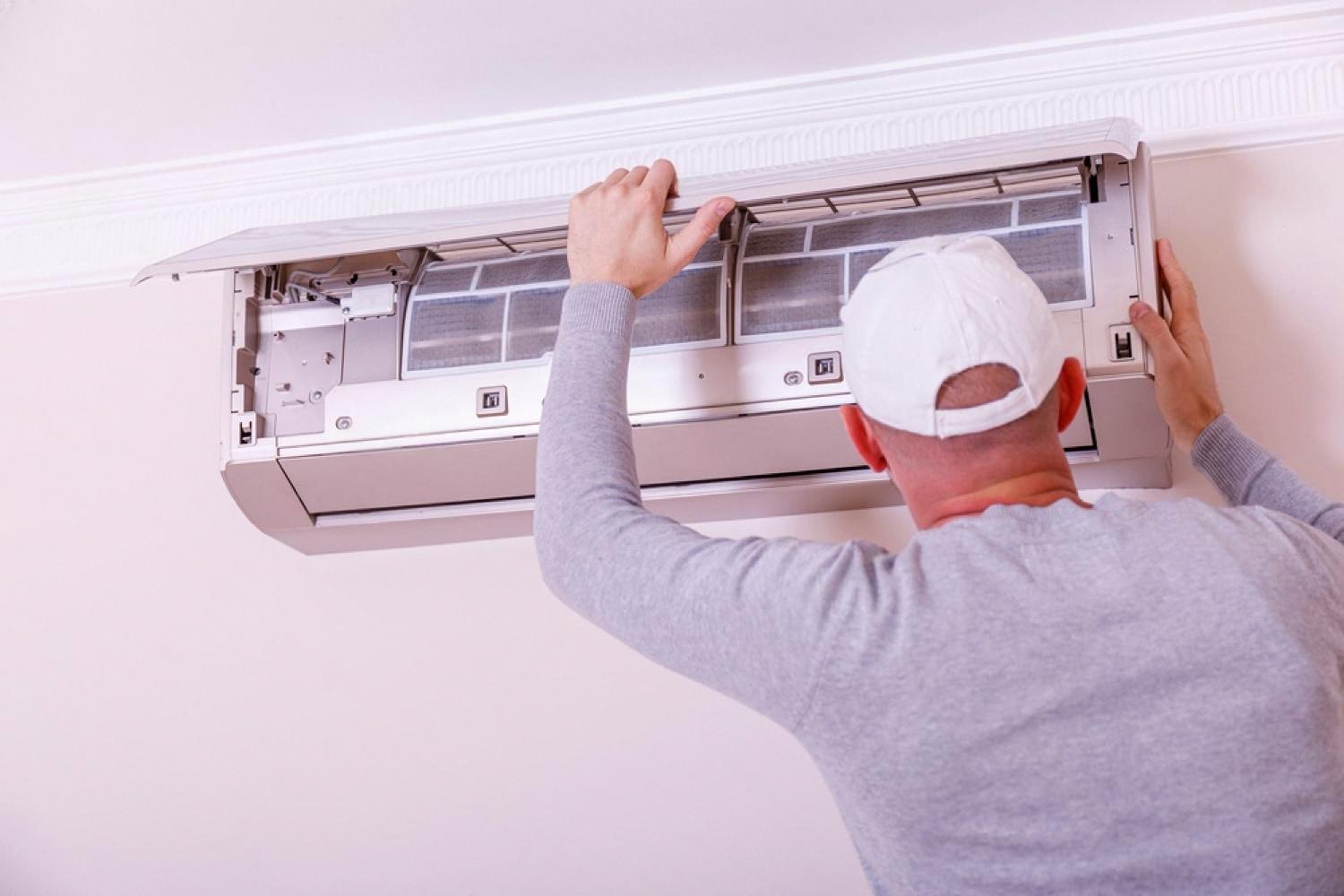
Humidity in coastal UAE cities regularly climbs above 60 percent. When warm, damp air meets the cold coil inside the AC, moisture condenses and collects in the drain pan. If dust is already sitting on the coil, that mixture of water and organic material becomes an ideal home for mould spores and bacteria. The first sign is almost always a sour, musty smell the moment you switch the unit on.
Breathing those spores day after day is linked to coughing, sinus irritation, headaches and worsening asthma. The US Environmental Protection Agency notes that indoor mould exposure is a well-documented cause of upper-respiratory symptoms, even in otherwise healthy adults. In homes with children, elderly residents or anyone with a chronic condition, the risk is noticeably higher.
Health risk 3
Poor cooling, higher humidity, more discomfort
What a dirty unit actually does
A clogged filter and dusty coil force the AC to work harder for less cooling. The compressor runs longer, the room never quite reaches the set temperature, and humidity in the air stays high because the system cannot dehumidify efficiently.
- Rooms feel sticky even when the thermostat reads 23°C.
- Weak airflow from the vents, especially at the edges of the room.
- Water dripping from the indoor unit onto the wall or floor.
- Electricity bills creeping up month after month.
- Ice forming on the copper pipes behind the unit.
Health risk 4
Hidden buildup inside the ducts
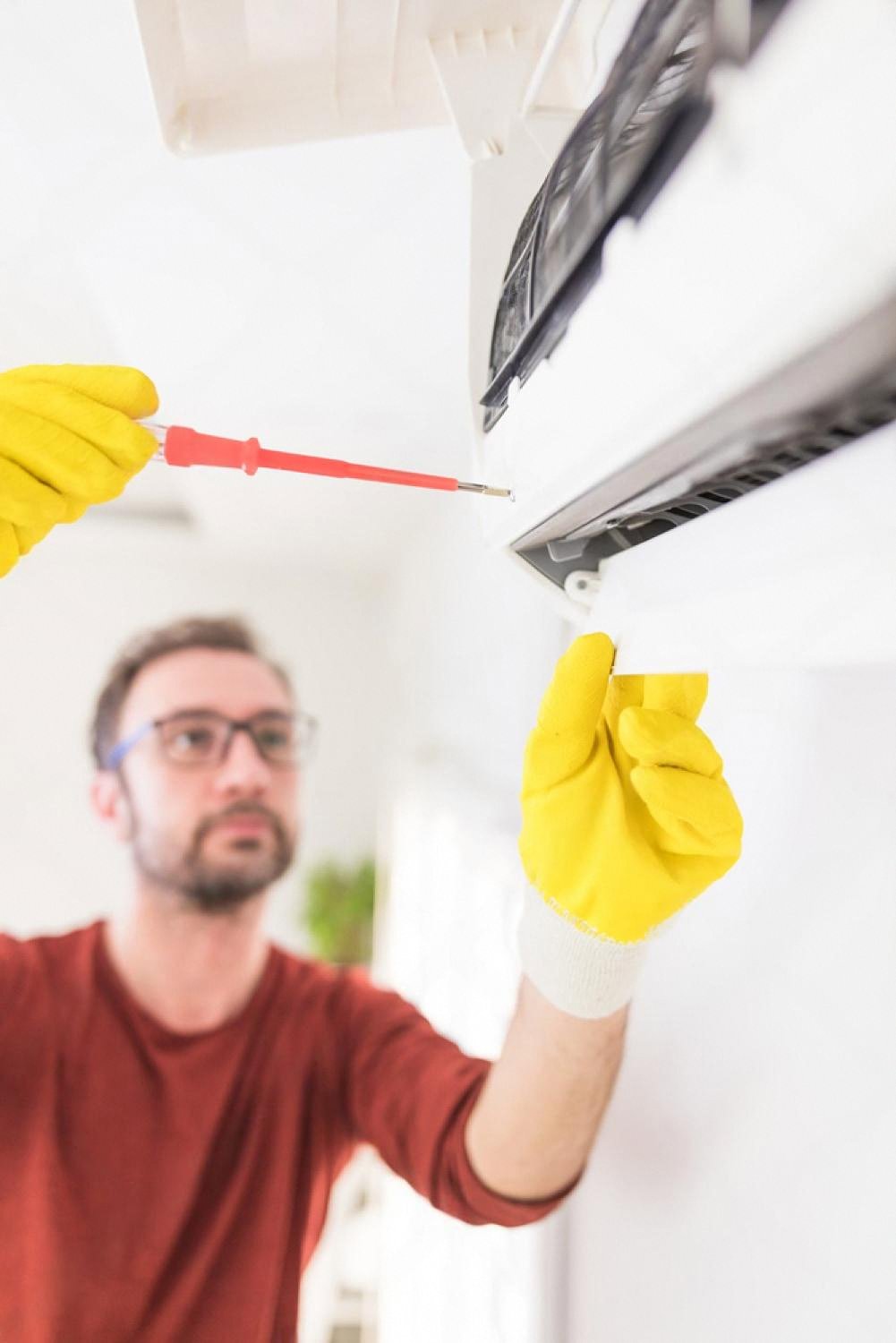
In villas and larger apartments with central AC, the ducts behind the ceiling are the part no one sees. Over the years they collect a thick lining of dust, insulation fibres and sometimes insect debris. Every time the system kicks in, a little of that mix is blown into the room along with the cooled air. Filter changes alone cannot reach it.
- Dust accumulation on the inner duct walls, which gradually sheds back into the airflow.
- Moisture pockets near poorly insulated sections, encouraging bacterial growth.
- Blocked return grilles that reduce fresh airflow and raise CO2 inside the room.
- Pest residue such as cockroach droppings, a known asthma trigger.
A professional duct cleaning every one or two years clears all of this out. For split units, the same logic applies to the blower wheel and the evaporator fins, which also need chemical washing on a schedule.
The right cleaning sequence, in order
- Every 2 to 4 weeks: rinse the washable filter under cool water, let it dry fully, slot it back.
- Every 3 months: wipe the louvres, front panel and visible coil surface with a soft damp cloth.
- Every 6 months: book a professional service that includes coil chemical wash, drain line flush and gas pressure check.
- Every 1 to 2 years: have the ducts and blower assembly deep-cleaned, especially in villas or older buildings.
- Any time you notice odour, weak airflow or water leaks: do not wait for the next scheduled visit, call a technician the same week.
Recommended cleaning intervals for UAE homes
| AC component | DIY or professional | Suggested interval |
|---|---|---|
| Washable filters | DIY | Every 2 to 4 weeks |
| Front panel and vents | DIY | Monthly |
| Evaporator coil (chemical wash) | Professional | Every 6 months |
| Drain pan and drain line | Professional | Every 6 months |
| Outdoor condenser unit | Professional | Once a year |
| Ducts and blower wheel | Professional | Every 12 to 24 months |
| Refrigerant level check | Professional | Annually |
The takeaway
Clean air starts inside the unit on the wall
An AC is a filter for the air your family breathes every day. In a climate like the UAE, where units run almost continuously and outdoor air is dusty, that filter needs regular attention. Rinse the mesh often, wipe the surfaces monthly, and schedule a professional deep service twice a year. The reward is cooler rooms, lower electricity bills and, more importantly, air that does not quietly make anyone in the household sick.
Frequently asked questions
How often should I clean my AC filter in the UAE?
For most homes in Dubai and other UAE cities, the washable filter should be rinsed every two to four weeks during heavy use. If you live near a construction site, a busy road or close to the coast, lean toward the shorter end. Pet owners should also clean more often, since fur and dander clog the mesh faster.
Can a dirty air conditioner really make me sick?
Yes. A neglected AC pushes dust, mould spores and bacteria into the room every time it runs. Over weeks and months this can trigger allergies, sinus irritation, sore throats, headaches and worsened asthma symptoms. The effect is strongest on young children, the elderly and anyone with a pre-existing respiratory condition.
What causes the bad smell coming from my AC?
The sour or musty odour almost always comes from moisture mixing with dust on the evaporator coil and drain pan. That damp mixture allows mould and bacteria to grow. A chemical coil wash and a drain line flush usually clear the smell completely. If it comes back quickly, there may be a blocked drain or a water leak behind the unit that needs attention.
Do I need to clean the ducts, or just the indoor unit?
If you have a central AC system in a villa or larger apartment, the ducts collect dust and debris over time and need periodic cleaning, usually every one to two years. For split units mounted on the wall, there are no long ducts, but the blower wheel and coil still need a professional deep clean every six months.
Will regular cleaning actually lower my electricity bill?
In most cases, yes. A clean coil and clear filters allow the system to reach the set temperature faster and run shorter cycles. Industry estimates suggest a well-maintained AC can use noticeably less electricity than a neglected one with the same cooling capacity. In the UAE, where cooling dominates the household bill, that difference adds up quickly over a year.
Can I do a full AC cleaning myself?
You can handle the regular tasks: rinsing the filters, wiping the front panel, vacuuming visible dust from the vents. But the deeper work, chemical coil washing, drain line flushing, gas pressure checks and duct cleaning, requires proper tools and training. Trying to open the sealed parts of the unit yourself risks electrical injury and damage to the refrigerant circuit.